
Trash Bin Pickup Mistakes That Cost You Money and Fines
If you rely on curbside trash bin pickup for your home or business, small mistakes can quickly turn into big problems. Missed collections, surprise fees, and even municipal fines often come down to simple, avoidable errors. Understanding how your waste service works—and what rules you’re expected to follow—can save you time, money, and hassle.
Below are the most common trash bin pickup mistakes people make, how they lead to extra costs or penalties, and what you can do differently starting with your next collection day.
1. Putting Bins Out at the Wrong Time
One of the simplest but most costly mistakes is putting your trash bin out too early or too late.
Why timing matters
Most haulers have specific time windows for trash bin pickup, such as placing bins at the curb after 6 p.m. the night before and before 7 a.m. on collection day. If you miss that window:
- Your bin may not be collected at all.
- You may have to pay for an extra pickup.
- Some cities can issue fines for leaving bins out too long.
Common timing errors
- Setting bins out too early: Many homeowners drag bins to the curb days in advance. This can violate local ordinances, create neighborhood eyesores, attract pests, and even earn fines.
- Putting bins out too late: Trucks may come earlier than you expect, especially after route changes. If your bin isn’t out when they arrive, you’re usually out of luck.
How to avoid it
- Confirm your hauler’s exact pickup day and earliest/latest set-out times.
- Set reminders on your phone or calendar.
- When in doubt, put bins out the night before within the allowed time window.
2. Overfilling Bins and Exceeding Weight Limits
Another major issue is overfilling bins or making them too heavy. It might seem harmless to cram in a little more, but this can cause service refusals or extra charges.
Overflowing trash: more than an eyesore
If your lid can’t close completely, many providers classify the bin as overfilled. Problems include:
- Drivers may skip your bin.
- Extra bags beside the bin can trigger overage fees.
- Wind or animals spread loose garbage, and you could be cited for litter.
Exceeding weight limits
Each trash bin size has a maximum weight, both for worker safety and truck equipment. Common consequences of overweight bins:
- Surcharges per extra pound or per bin.
- Tags left on your cart explaining why pickup was refused.
- Potential fines for repeatedly putting out excessively heavy containers.
How to stay within limits
- Break down boxes to reduce volume.
- Spread heavy items across multiple weeks, if allowed.
- Take unusually heavy loads (remodeling debris, dirt, concrete) to a transfer station instead of regular trash bin pickup.
3. Mixing Trash, Recycling, and Yard Waste
Contamination—putting the wrong materials in the wrong bin—is a growing problem and can be expensive for both you and your community.
Why contamination can lead to fines
When trash is mixed into recycling or yard waste bins, entire truckloads may be rejected by processing facilities. Many municipalities have started:
- Issuing warning tags for minor contamination.
- Charging contamination fees for repeated issues.
- In some areas, issuing fines for chronic violators.
According to the U.S. EPA, contamination of recycling streams is a significant challenge for municipal waste programs (source: EPA – Sustainable Management of Materials).
Common mixing mistakes
- Putting plastic bags in curbside recycling (many programs don’t accept them).
- Tossing food waste in yard waste-only bins.
- Dumping household trash into recycling or green waste carts to “save space”.
How to avoid contamination issues
- Check your city or hauler’s material guidelines—they’re usually on their website or printed on the bin lid.
- Use clear, separate containers indoors for trash, recycling, and organics.
- When you’re unsure about an item, look it up instead of guessing.
4. Ignoring Special Rules for Bulky and Hazardous Items
Not everything can go in your regular trash bin pickup. Placing restricted items in curbside bins can lead to rejected pickups, added fees, or even legal consequences.
Bulky item mistakes
Large items like mattresses, appliances, and furniture often:
- Require a scheduled bulky pickup.
- Have separate fees.
- Are limited to a certain number of items per year.
Leaving these items at the curb on normal pickup day can result in:
- Extra charges for unauthorized bulk collection.
- Code enforcement tickets for illegal dumping.
Hazardous waste errors
Household hazardous waste (HHW) cannot go in regular trash, recycling, or green waste. This includes:
- Paint, solvents, chemicals
- Pesticides, motor oil, antifreeze
- Batteries, fluorescent bulbs, propane tanks
Placing these in your cart can lead to:
- Fines under local or state environmental laws.
- Safety risks to workers and facilities.
The right way to handle special items
- Call your hauler or visit their website for bulky item pickup rules and scheduling.
- Use local HHW collection events or drop-off centers for paint, chemicals, and similar items.
- Ask about appliance recycling programs for fridges, AC units, and electronics.
5. Using the Wrong Bin Size or Service Level
Many people either underestimate or overestimate their weekly trash volume. Both mistakes cost money.
When your bin is too small
If your cart is consistently overflowing:
- You may be paying frequent extra bag or overage fees.
- You risk missed collections because the lid won’t close.
- Neighbors and local code enforcement may complain.
When your bin is too large
If your bin is mostly empty each week:
- You’re overpaying for capacity you don’t use.
- You might be able to downsize and save on your monthly bill.
Finding the right fit
- Track your typical weekly volume for 3–4 weeks.
- Check your provider’s sizes and prices (e.g., 32, 64, 96 gallons).
- Consider reducing trash by improving recycling and composting, then adjusting service accordingly.
6. Poor Bin Placement and Access Issues
Where and how you place your bin can directly affect whether your trash bin pickup happens at all.
Common placement mistakes
- Bins blocked by parked cars, snow banks, or landscaping.
- Carts too close together, preventing the truck’s arm from grabbing them.
- Bins placed behind fences, on steps, or away from the curb.
Drivers have tight routes and limited time. If your bin is hard to reach:
- They may skip your address entirely.
- You may be charged a return trip fee if they have to come back.
Best practices for bin placement
Most haulers ask that bins be:
- Within a few feet of the curb or roadside.
- At least 2–3 feet apart from other carts or obstacles.
- Facing the correct direction (often with wheels facing your house).
Read the placement instructions provided by your hauler and follow them consistently.
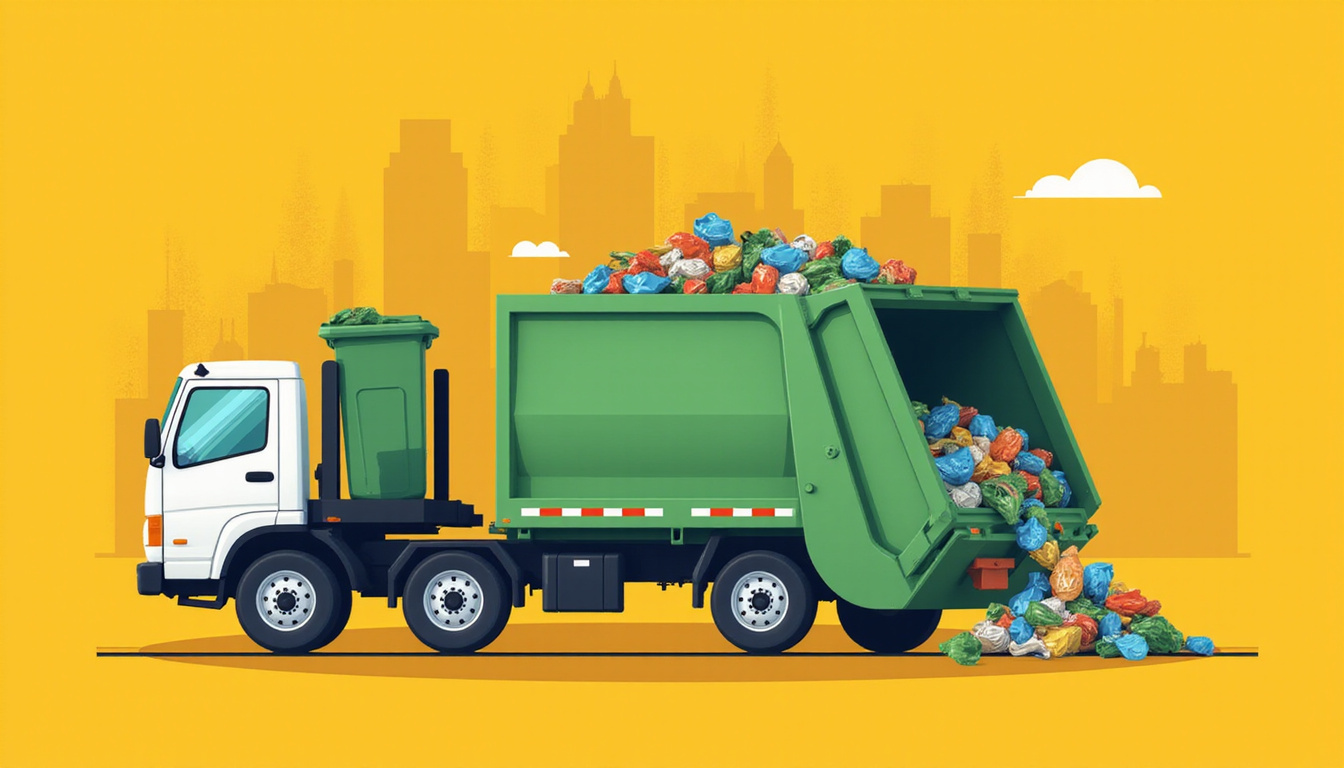
7. Failing to Secure Lids and Prevent Spills
Loose, unsecured trash quickly becomes litter, which is a finable offense in many areas—even if it blew out of your own bin.
How unsecured trash costs you
- Light items like Styrofoam, plastic wrap, and paper can blow into the street.
- Animals can tip over carts with loose lids.
- You may be cited for property or sidewalk litter, or receive warnings from your hauler.
How to keep everything contained
- Don’t overfill—ensure the lid closes completely.
- Bag loose material (like shredded paper or packing peanuts) before placing it in the bin.
- In windy areas, position the bin with the lid opening away from the prevailing wind.
8. Ignoring Local Regulations and Service Changes
Municipal waste rules and hauler policies change over time. Ignoring notices or not reading updates can lead to avoidable fines and missed pickups.
Examples of missed updates
- New rules about what can go in recycling.
- Changes to pickup days or routes.
- Seasonal yard waste program schedules.
- Newly introduced fines for contamination or overflow.
If you keep doing things “the old way,” you might unintentionally break the rules.
How to stay informed
- Review mailed notices from your hauler or city before discarding them.
- Sign up for email or text alerts if available.
- Check the city or hauler website once or twice a year for policy changes.
9. Assuming Landlords or HOAs Handle Everything
In multi-family buildings or HOA communities, it’s common to assume that someone else is managing the details of trash bin pickup. That assumption can be expensive.
Potential pitfalls
- Shared bins overflowing because residents don’t follow posted rules.
- Fines issued to the property owner that get passed on to tenants.
- Extra charges for unauthorized bulk items or contamination in community dumpsters.
Protect yourself in shared settings
- Ask your property manager or HOA for written guidelines on waste and recycling.
- Follow posted signage about what goes in which container and where to leave bulk items.
- Report chronic dumping or contamination so it doesn’t get blamed on you later.
10. Not Addressing Repeated Problems
The most costly trash bin pickup mistake is ignoring recurring issues. If your bin is frequently missed, tagged, or generating complaints, you’ll likely end up with extra fees or fines.
Signs you need to take action
- You often find “service refused” or “contaminated” tags on your bin.
- Neighbors complain about your trash or recycling habits.
- Your bill shows regular overage or extra pickup charges.
What to do
- Call or email your hauler and ask for a clear explanation of issues.
- Request written guidelines or photos if contamination is cited.
- Adjust your cart size, placement, or sorting habits based on their feedback.
Engaging early is almost always cheaper than letting problems accumulate.
Quick Checklist: Avoid These Trash Bin Pickup Mistakes
Use this list before every collection day:
- Bin is out at the curb during the allowed time window.
- Lid closes fully; no overflow or loose bags on the ground.
- Contents match the bin type (trash vs recycling vs yard waste).
- No hazardous or prohibited items inside.
- Bin is not blocked and is spaced from other carts and obstacles.
- Cart is the right size for your usual weekly volume.
- You’ve reviewed any recent notices about schedule or rule changes.
FAQ About Trash Bin Pickup and Common Problems
Q1: Why did my trash bin pickup get skipped even though my bin was out?
Your bin may have been blocked, overfilled, overweight, or contaminated with the wrong materials. It’s also possible your collection day changed. Check for tags on the bin, review your hauler’s rules, and confirm your current schedule.
Q2: Can I put extra bags next to my cart for curbside trash pickup?
Some providers allow a limited number of extra bags for a per-bag fee; others prohibit it entirely. Placing loose bags at the curb without checking first can lead to overage charges or refusal of service. Contact your hauler or check their website for their extra trash policy.
Q3: How can I reduce fines and fees related to residential trash pickup?
Make sure you put your bin out on time, don’t overfill it, keep recyclables and yard waste separate, and follow local rules on bulky and hazardous items. If you routinely pay for overages, consider upgrading to a larger cart or improving your recycling and composting to decrease general trash.
Take Control of Your Trash Bin Pickup and Stop Wasting Money
Every missed pickup, extra bag charge, or contamination fee chips away at your budget—and most of these costs are completely avoidable. By learning your local rules, sizing your service correctly, and following basic best practices for trash bin pickup, you can keep your property cleaner, avoid fines, and get the full value from the service you already pay for.
Review your current habits, make any needed changes before your next collection day, and—if you’re unsure about anything—reach out to your waste hauler or local public works department. A single phone call or quick website check today can save you from months of unnecessary charges and frustration.
Junk Guys Inland Empire
Phone: 909-253-0968
Website: www.mediumspringgreen-snake-472026.hostingersite.com
Email: junkguysie@gmail.com
