
If your home, rental, or commercial building is being overrun by problem tenants, illegal activity, trash, noise, or unsafe conditions, nuisance abatement can be the legal and practical pathway to take back control. Whether you’re a property owner, manager, or neighbor tired of living next to a chronic problem property, understanding how nuisance abatement works—and how to use it effectively—can help you reclaim your investment and your peace of mind.
This guide walks through what nuisance abatement is, how it’s used, and proven strategies to resolve chronic problems without wasting time or money.
What Is Nuisance Abatement?
Nuisance abatement is the process of identifying and eliminating activities or conditions on a property that harm the health, safety, or comfort of the community. These can be civil actions (through local government or private lawsuits) or criminal actions (through police and prosecutors).
In practice, nuisance abatement may be used to address:
- Drug dealing or gang activity at a property
- Chronic loud parties, fights, or disturbances
- Prostitution or human trafficking operations
- Hazardous or dilapidated buildings
- Excessive trash, vermin, or unsafe living conditions
- Illegal businesses operating in residential areas
Most states and cities define “public nuisance” in their statutes or municipal codes. These laws give government agencies—and sometimes neighbors or HOAs—the power to force owners to fix the problems, face fines, or in extreme cases, lose use of the property.
Common Types of Nuisances on Residential and Rental Properties
Before you can move toward nuisance abatement, you need to clearly identify the problems you’re facing. On residential and rental properties, these are some of the most common:
1. Criminal or Disorderly Activity
- Drug sales or manufacturing
- Weapons-related activity
- Prostitution or trafficking
- Frequent fights, assaults, or police calls
These patterns often attract more crime, degrade property values, and can trigger law enforcement or city attorney involvement.
2. Chronic Noise and Disturbances
- Repeated loud parties late at night
- Constant shouting, fighting, or public arguments
- Vehicles revving engines, loud music, or gatherings in the street
While an occasional party is normal, a consistent pattern can become a nuisance under local noise or disorderly conduct ordinances.
3. Health and Safety Hazards
- Accumulated garbage or junk
- Rodent or insect infestations
- Broken windows, open doors, missing locks
- Dangerous wiring, mold, or structural damage
Code enforcement and public health agencies often get involved when basic habitability standards are not met.
4. Property Maintenance Failures
- Overgrown yards, abandoned vehicles, or trash piles
- Boarded-up or unsecured buildings drawing trespassers
- Graffiti, vandalism, or broken fences
Consistently poor maintenance can be considered a public nuisance, especially in an HOA or multi-unit context.
Legal Foundations of Nuisance Abatement
While the specific rules vary by state and city, most nuisance abatement processes are built on a similar legal framework.
Public vs. Private Nuisance
- Public nuisance: A condition that affects the community or a large number of people (e.g., drug house, dangerous building). Local governments usually enforce these cases.
- Private nuisance: A condition that interferes with a specific person’s use and enjoyment of property (e.g., neighbor’s constant noise). Often enforced through private civil suits.
Most “nuisance abatement” programs you hear about—especially for crime and blight—target public nuisances.
Typical Legal Tools
Depending on the jurisdiction, nuisance abatement can involve:
- Code enforcement orders: Requiring repairs, cleanup, or securing of a property.
- Administrative penalties and liens: Daily fines for non-compliance, which can attach to the property.
- Abatement orders or injunctions: Court orders compelling owners or occupants to stop certain activities, evict problem tenants, or make fixes.
- Padlocking or closing properties: In extreme cases, courts may order a property shut down temporarily.
- Receivership: A court-appointed receiver takes temporary control to bring the property into compliance.
For more background, the U.S. Department of Justice has resources discussing how local nuisance abatement actions are used to address crime and blight in communities (source: U.S. DOJ COPS Office).
Step-by-Step Nuisance Abatement Strategy for Property Owners
If you own or manage the problem property, you’re on the front line. A structured, documented approach keeps you compliant with the law and maximizes your chance of success.
1. Start With Documentation
Good records are the foundation of any nuisance abatement effort. Begin immediately:
- Log dates, times, and descriptions of incidents
- Save written complaints from neighbors or tenants
- Keep copies of police reports and incident numbers
- Take photos or videos of damage, trash, or hazardous conditions
- Maintain records of your notices and communication with tenants
This evidence not only supports potential eviction or lease enforcement, it also shows agencies (and courts) you’re acting in good faith.
2. Review Your Leases and House Rules
Many nuisance issues are preventable or easier to address when your paperwork is strong.
Check your leases for:
- Clear language prohibiting illegal activity and nuisance behavior
- Rules on noise, guests, parking, and property use
- Requirements for tenant cooperation with inspections and repairs
- Remedies for violations (notices, fees, or eviction processes allowed by law)
If your current lease is weak, consult a local landlord–tenant attorney about updating it for future tenants. For current tenants, you’ll need to follow existing agreements and local law strictly.
3. Issue Written Warnings and Notices
When a problem arises:
- Send a written warning outlining the behavior, dates, and lease clause violated.
- Clearly state what must change and by when.
- Keep proof of delivery (certified mail, email with read receipt, or hand-delivery with witness).
If behavior continues, escalate to a formal notice as allowed under local landlord–tenant laws. The type of notice (cure-or-quit, unconditional quit, etc.) depends on jurisdiction and severity.
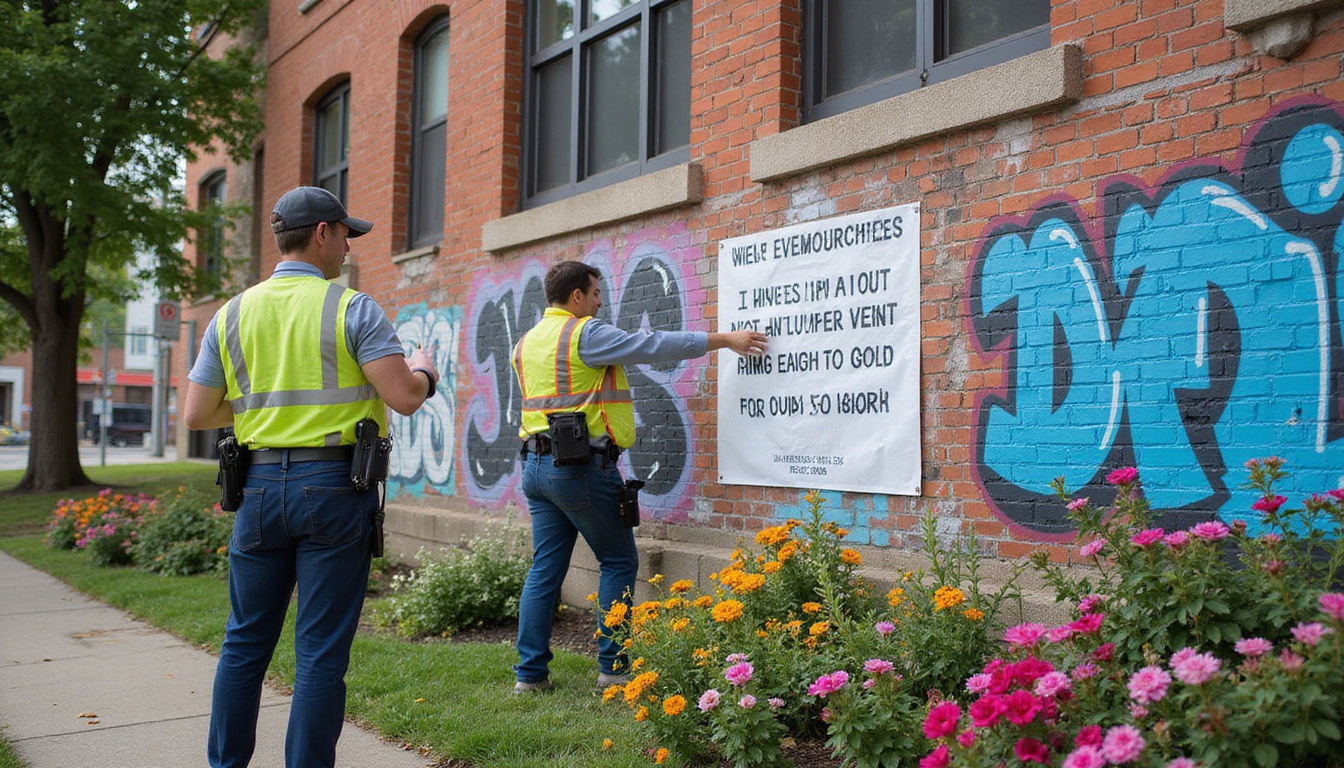
4. Engage Law Enforcement and Local Agencies
If the nuisance involves criminal activity or serious health/safety hazards, do not handle it alone.
- Contact local police or sheriff’s office about recurring criminal activity.
- Ask if your jurisdiction has a nuisance abatement unit or “crime-free housing” program.
- Report code violations to building, fire, or health departments.
In many areas, nuisance abatement officers will coordinate with you, share incident data, and guide you on steps needed to avoid penalties as the owner.
5. Consider Targeted Evictions for Problem Tenants
When warnings and notices fail, eviction may become necessary to abate the nuisance:
- Work with a local attorney to ensure compliance with notice periods and cause requirements.
- Use your evidence log (police calls, complaints, photos, warnings) to support your case.
- Focus on clear lease violations and documented nuisance behavior.
Avoid “self-help” actions (changing locks, shutting off utilities) which are illegal in most places and can backfire badly.
6. Invest in Long-Term Security and Prevention
After abating the immediate nuisance, reinforce your property to prevent recurring problems:
- Improve exterior lighting and sightlines
- Add or upgrade security cameras (while respecting privacy laws)
- Secure doors, windows, and common areas
- Implement access control systems or gate codes
- Screen tenants thoroughly within fair housing rules
- Establish clear house rules and quiet hours
Prevention costs far less than repeated nuisance abatement battles.
How Neighbors and HOAs Can Use Nuisance Abatement
You don’t have to own the offending property to pursue nuisance abatement. As a neighbor, tenant, or HOA board member, there are targeted steps you can take.
1. Organize and Document as a Group
Collective complaints carry more weight:
- Encourage neighbors to log incidents with dates and details.
- Coordinate filing of police reports and code complaints.
- Share contact information for the city’s code enforcement, health, and police departments.
A pattern demonstrated by multiple households is more likely to trigger formal nuisance abatement action.
2. Use HOA or Community Association Rules
If you’re in a community with CC&Rs:
- Review nuisance clauses and enforcement procedures.
- Issue formal violation notices to the owner of the offending property.
- Levy fines or take other actions allowed by governing documents and state law.
Associations often have legal standing to bring nuisance lawsuits or coordinate with local agencies when individual owners are hesitant.
3. Escalate to Local Government Officials
If basic complaints don’t get traction, escalate:
- Contact your city council member or county supervisor.
- Attend public meetings and speak during comment periods.
- Request updates on nuisance abatement or problem-property programs.
Visible community concern can push agencies to prioritize enforcement.
Key Mistakes to Avoid in Nuisance Abatement
Whether you’re an owner, neighbor, or manager, avoid these common pitfalls:
- Acting without legal guidance on evictions or major enforcement steps.
- Retaliation or harassment, such as threatening tenants or neighbors.
- Discriminatory enforcement, singling out people based on protected classes (race, religion, disability, etc.).
- Ignoring due process, such as skipping notices or hearings required by law.
- Letting issues fester, which emboldens bad actors and weakens your case.
Effective nuisance abatement balances firmness with fairness—protecting rights while restoring order.
Practical Nuisance Abatement Checklist
Use this quick reference to structure your approach:
-
Identify the nuisance
- Criminal? Noise? Health/safety? Maintenance?
-
Document everything
- Logs, photos, videos, complaints, reports.
-
Review applicable rules
- Leases, CC&Rs, local codes, and state law.
-
Communicate in writing
- Warnings, cure notices, violation letters.
-
Engage authorities
- Police, code enforcement, health/fire departments.
-
Take corrective action
- Repairs, cleanup, security upgrades, evictions if needed.
-
Follow through and verify
- Confirm compliance, adjust management practices, and keep monitoring.
FAQ: Common Questions About Nuisance Abatement
1. What is a nuisance abatement ordinance and how does it affect property owners?
A nuisance abatement ordinance is a local law that defines certain conditions or activities—such as drug houses, excessive noise, trash, or unsafe buildings—as public nuisances. It gives cities or counties the power to order owners to fix problems, fine them for non-compliance, or take legal action to secure or even close properties. For owners, this means you must respond promptly to notices and demonstrate you’re taking reasonable steps to abate the nuisance to avoid penalties or legal action.
2. Can a neighbor start a nuisance abatement case against a problematic property?
In many jurisdictions, neighbors can file complaints that trigger a nuisance abatement investigation by code enforcement or law enforcement. In some states, neighbors may also bring a civil lawsuit for private or public nuisance. Whether you can file directly depends on local law, but at minimum, detailed complaints can push agencies to use their nuisance abatement powers.
3. How long does nuisance abatement usually take to resolve a problem property?
Nuisance abatement timelines vary widely based on severity, cooperation of the owner, and local procedures. Straightforward code issues (trash, minor repairs) may be resolved within weeks once notices are issued. Complex cases involving crime, drugs, or structural hazards can take months or longer, especially if court orders or evictions are required. The more organized your documentation and the more responsive the property owner is, the faster nuisance abatement is likely to succeed.
Reclaiming your property—or your peace of mind in your own neighborhood—starts with understanding and using nuisance abatement effectively. You don’t have to tolerate chronic crime, noise, or dangerous conditions indefinitely.
If you’re facing a problem property, now is the time to act: start documenting issues, review your legal tools, and reach out to local agencies or an experienced attorney who understands nuisance abatement in your area. With a clear strategy and consistent follow-through, you can protect your investment, restore safety, and reclaim the quiet enjoyment of your home or community.
Junk Guys Inland Empire
Phone: 909-253-0968
Website: www.mediumspringgreen-snake-472026.hostingersite.com
Email: junkguysie@gmail.com
