
If you’re staring at an old vessel in your yard or slip and thinking, “I just want this gone,” you’re not alone. Boat removal can feel overwhelming: titles, transport, disposal, costs, maybe even environmental rules. The good news? With a bit of strategy, you can turn that problem boat into quick cash, clear your space, and avoid legal or logistical headaches.
This guide walks you through the smartest options for boat removal, from selling it fast to scrapping, donating, or using professional services—so you can choose the path that fits your situation and budget.
Step 1: Decide your real goal for boat removal
Before calling a hauler or listing the boat, get clear on your objective. That will determine which route makes the most sense:
- Maximize cash – You’re willing to put in some effort to get the best price.
- Minimize hassle – You just want it gone, quickly and safely.
- Avoid risk – You’re worried about liability, environmental rules, or abandoned-vessel laws.
- Do the right thing environmentally – You want proper recycling and disposal.
Once you know which of these is your top priority, it’s easier to choose between selling, donating, scrapping, or hiring a full-service boat removal company.
Step 2: Assess your boat honestly (condition, value, and paperwork)
A realistic picture of your boat’s condition will save you time and prevent deals from falling apart later.
Check the basics
- Hull & structure – Soft spots, cracks, delamination, major repairs?
- Engine & systems – Running, not running, or missing? Electrical and plumbing functional?
- Trailer – Roadworthy or rotted? Tires, bearings, lights, and brakes?
- Title & registration – Do you have clear, transferable title and registration in your name?
If the boat is seaworthy or close, it’s a candidate for quick sale. If it’s derelict, waterlogged, or has a blown engine, it may be more valuable as parts and scrap.
Get a ballpark value
Compare similar boats on:
- Boat Trader
- Facebook Marketplace
- Craigslist
- Local marina bulletin boards
Be honest: if your boat needs thousands in repairs, it’s not worth what pristine versions are listed for. Pricing realistically is one of the biggest “secrets” to quick, stress-free boat removal.
Step 3: Prep the boat for a fast sale (with minimal effort)
You don’t need a full restoration. Small, targeted improvements can speed up boat removal while still keeping your costs low.
Focus on:
- Cleaning: Remove trash, personal items, and obvious mold or mildew.
- Photos: Take clear pictures from all angles, plus close-ups of the helm, engine, and any damage.
- Paperwork: Have title, registration, maintenance records, and any manuals organized and ready.
- Transparency: Make a short list of known issues. Honest descriptions build trust and reduce back-and-forth with buyers.
Spending a weekend here can be the difference between a boat that lingers for months and one that’s gone in days.
Step 4: Choose the right boat removal option
Here are your primary routes, from most to least likely to put cash in your pocket.
Option 1: Sell privately (max cash, moderate effort)
Private sale usually nets the most money, especially for boats that still run or are in restorable condition.
Where to list:
- Facebook Marketplace and local boating groups
- Craigslist or similar classifieds
- Boat-specific marketplaces
- Local marinas, boatyards, and yacht clubs
When selling:
- Be upfront about condition and titles.
- Price it a bit below comparable listings if you want it gone fast.
- Be flexible on viewing times.
- Require a simple, clear bill of sale and proper title transfer.
If your top priority is getting money out of the boat rather than just fast boat removal, this is usually the best path.
Option 2: Sell to a “cash for boats” or boat removal service
Many regions have companies that specialize in quick boat removal for cash. They typically:
- Buy as-is, where-is
- Handle towing, transport, and sometimes paperwork
- Offer less than private-party value, but move quickly
This is ideal if:
- You’re short on time.
- The boat is in rough shape.
- The boat is difficult to move or access.
Search for “[your city] cash for boats,” “junk boat removal,” or “we buy boats.” Check reviews and confirm they are insured and licensed. Ask how they handle environmental disposal (fluids, batteries, etc.) so you’re not unintentionally part of an improper dump.
Option 3: Part out the boat, then scrap the hull
For severely damaged or non-running boats, the sum of the parts is often worth more than the whole.
Valuable parts may include:
- Engine(s) and outdrives
- Electronics (GPS, fishfinders, radios)
- Stainless hardware and rails
- Trailer (often worth more than the boat)
- Seats, helm components, fuel tanks
You can sell parts locally or online, then arrange boat removal for the stripped hull via:
- Local landfill that accepts fiberglass hulls
- Metal recycling yards (for aluminum or steel)
- Specialized boat salvage yards
This path takes more time but can yield the most cash from an otherwise “worthless” vessel.
Option 4: Donate the boat
Donation programs can be a win-win if your boat still has some value but you don’t want the hassle of a sale.
Typical benefits:
- They handle towing and removal.
- You may receive a tax deduction based on the boat’s value.
- You support a nonprofit or educational program.
Be sure to:
- Confirm the organization is a qualified 501(c)(3).
- Understand whether they will sell, scrap, or use the boat.
- Keep documentation for tax purposes (IRS guidelines apply to donated boats and vehicles (source): IRS Charitable Contributions).
For many owners, this is an attractive way to combine boat removal with a financial and charitable win.
Option 5: Hire a full-service professional boat removal company
If the boat is abandoned, sinking, storm-damaged, or stuck in a difficult location, a professional boat removal service is often the only practical choice.
They can:
- Raise or pump out partially sunken vessels
- Tow from moorings or remote shorelines
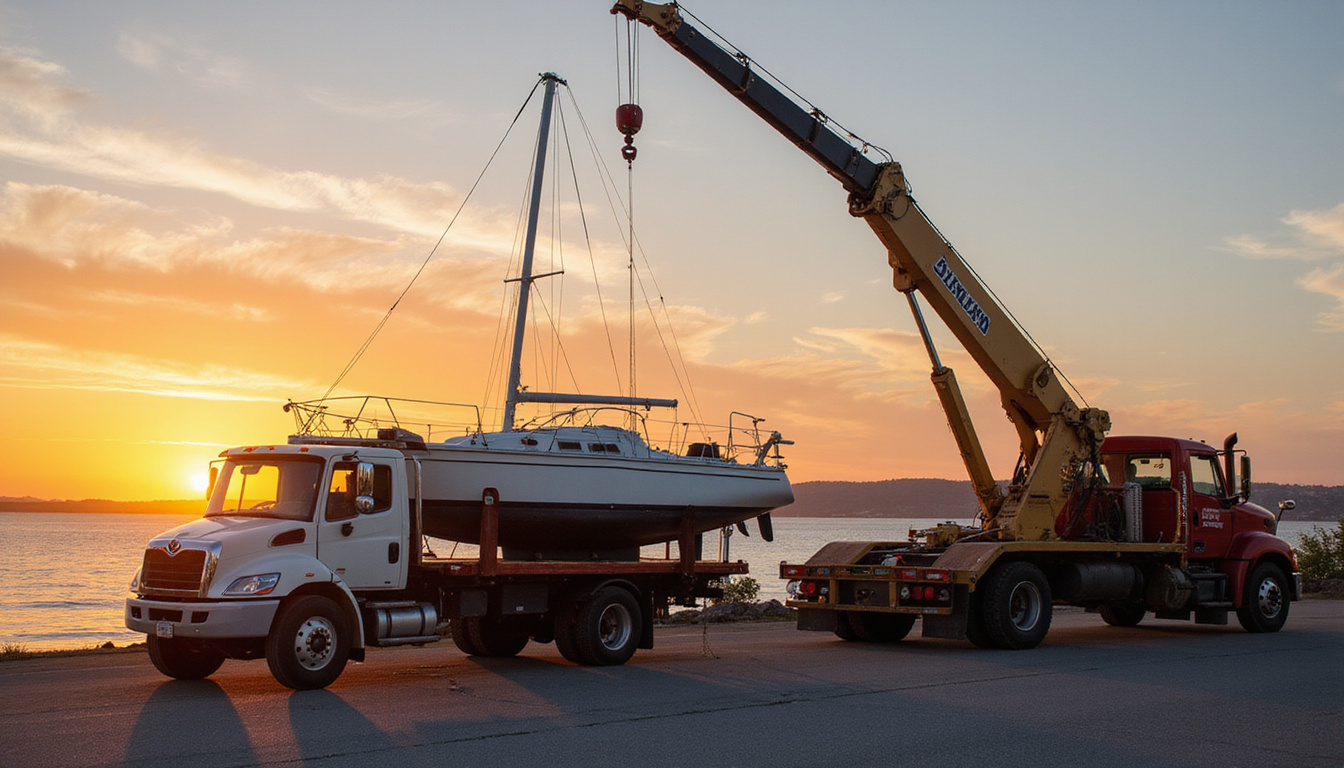
- Arrange haul-out with cranes or heavy equipment
- Manage hazardous materials, fluids, and debris
- Handle transport to recycling or disposal sites
Costs vary widely depending on location, size, and access, but this is the safest way to handle complex or risky situations—and can help you avoid serious fines or liability.
Step 5: Handle environmental and legal responsibilities
Improper boat removal—like sinking a boat or dumping it on public land—can result in heavy fines, cleanup bills, and even criminal charges in some regions.
Environmental must-dos
Before disposal or scrapping, ensure:
- All fluids are drained and properly disposed of (fuel, oil, coolant).
- Batteries and electronics are removed and recycled.
- Hazardous materials (old flares, chemicals) go to proper waste facilities.
Fiberglass hulls are not biodegradable; many landfills now have specific requirements or fees for accepting them. Aluminum and steel boats, on the other hand, are usually recyclable and may even return a bit of scrap value.
Check local boat removal rules
Every state or country has its own rules about:
- Title and registration transfers
- Abandoned or derelict vessels
- Mooring and storage fees
- Inland waterway and coastal dumping
A quick call to:
- Your state’s boating or marine resources department
- Local harbor master or marina
- Environmental protection agency for your region
can clarify what’s required for legal, compliant boat removal in your area.
Step 6: Avoid common boat removal mistakes
Steer clear of these pitfalls that cause the most headaches:
-
Letting registration and fees pile up
Even if it doesn’t run, you may be accumulating storage, slip, or mooring fees. The sooner you act, the more you save. -
Skipping paperwork
Failing to properly transfer title or submit a bill of sale can leave you liable if the new owner abandons the boat. -
Underestimating transport logistics
Towing a large, heavy vessel or rotted trailer without proper equipment is dangerous. If in doubt, hire professionals. -
Ignoring environmental responsibilities
Dumping fluids or abandoning a hull can cause real harm—and major fines. -
Overpricing a project boat
“Sentimental value” doesn’t translate to market value. If you want fast boat removal, price accordingly.
Quick checklist for stress-free boat removal
Use this list to keep the process simple and organized:
- Clarify your top priority: cash, speed, or minimal hassle.
- Assess condition: hull, engine, trailer, and overall repair needs.
- Gather paperwork: title, registration, and any loan payoff info.
- Clean and photograph: basic cleanup and honest, clear photos.
- Choose your path:
- Private sale
- Cash-for-boats / junk boat buyer
- Part out + scrap
- Donation
- Professional boat removal service
- Confirm legality: check local rules for disposal and title transfer.
- Handle environmental steps: remove fluids, batteries, and hazardous items.
- Get everything in writing: bill of sale, receipts, and donation or disposal documentation.
- Notify authorities if required: title/registration cancellation or sale notice.
- Cancel insurance and storage: once removal is complete and documented.
FAQs about boat removal
How much does boat removal cost?
Costs vary widely based on size, location, and condition. For a small trailerable boat that’s accessible, you might pay a few hundred dollars or even get free removal from a buyer. For large, derelict, or sunken vessels, professional boat removal can run from several hundred to several thousand dollars, especially if cranes, towing, and hazardous materials handling are involved.
Can I get paid for junk boat removal?
Yes, in many cases. If your boat has a usable trailer, engine, or valuable parts, local “cash for boats” buyers or salvage yards may pay you and arrange removal. Even if it doesn’t run, aluminum or steel hulls can have scrap value. Be realistic: the worse the condition and access, the more likely you’ll pay for removal instead of being paid.
What’s the best way to remove an old fiberglass boat?
For an older fiberglass boat, options include selling it as a project, parting it out, or hiring a boat removal company that can transport the hull to a landfill or recycler. Remove all fluids, batteries, and hardware first. Some areas have specialized fiberglass recycling or boat turn-in programs—check with your state boating agency or local marinas for programs that lower your disposal cost.
You don’t have to let an unwanted vessel drain your wallet, attract fines, or take up precious space. With a clear plan and the right boat removal strategy, you can turn that “problem boat” into cash, a tax deduction, or at least a clean slate—without the stress.
If you’re ready to move on from your old boat, start today: assess its condition, gather your paperwork, and contact a local buyer or professional boat removal service for quotes. The sooner you act, the more options you’ll have—and the faster you’ll be enjoying that empty slip, clear driveway, or maybe even your next, better boat.
Junk Guys Inland Empire
Phone: 909-253-0968
Website: www.mediumspringgreen-snake-472026.hostingersite.com
Email: junkguysie@gmail.com
