
White goods recycling is no longer just a “nice to have” for eco-conscious households—it’s quickly becoming a smart financial decision too. From cutting energy bills to avoiding landfill fees and even earning cashback on old appliances, recycling large household appliances can put real money back in your pocket while conserving valuable resources.
In this guide, you’ll learn exactly how to handle fridges, washing machines, dishwashers, ovens, and other large appliances in ways that maximise savings, minimise waste, and keep you compliant with local rules.
What counts as “white goods”?
Before you can recycle effectively, it helps to know what qualifies as white goods. Traditionally, “white goods” are large household appliances, originally named for their classic white enamel finish. Today, they may come in stainless steel or other finishes, but the category is still the same.
Common examples include:
- Refrigerators and freezers
- Washing machines and dryers
- Dishwashers
- Ovens, cookers, and hobs
- Range hoods/extractors
- Air conditioners and dehumidifiers
- Microwaves (sometimes classified separately as small appliances, depending on your region)
Most of these products contain valuable metals, plastics, and sometimes refrigerants or other substances that must be handled correctly. That’s why proper white goods recycling is so important.
Why white goods recycling saves money and resources
White goods recycling offers three major benefits: cost savings, resource recovery, and environmental protection.
1. Direct and indirect cost savings
While you might not always get paid cash for old appliances, white goods recycling can still save you money:
- Lower energy bills: Replacing an old, inefficient fridge or washer with a modern energy-efficient model can significantly cut electricity usage. For example, an ENERGY STAR-certified refrigerator uses about 15% less energy than non-certified models (source: ENERGY STAR – authoritative efficiency benchmarks).
- Avoided disposal fees: Some areas charge landfill or bulky-item pickup fees. Using official recycling programs often reduces or eliminates these charges.
- Rebates and trade-in offers: Utilities, manufacturers, and retailers frequently offer rebates for recycling old appliances and upgrading to efficient ones.
- Extended life for new appliances: Recycling isn’t only about disposal. Regular maintenance and part replacement (instead of full replacement) can delay the need to buy new products.
2. Conservation of raw materials
White goods are rich in recyclable materials:
- Steel and other metals: Large appliances are mostly steel, which can be recycled repeatedly without losing quality. Recycling steel saves up to 60–74% of the energy required for new steel production (source).
- Copper, aluminium, and wiring: These metals are valuable and energy-intensive to mine.
- Plastics and glass: Many components can be separated and reprocessed for new products.
By choosing white goods recycling over landfill disposal, you help reduce mining, energy use, and the environmental impact of raw material extraction.
3. Safer handling of hazardous materials
Some white goods contain:
- Refrigerants (CFCs, HCFCs, HFCs) in fridges, freezers, and air conditioners
- Oils and coolants in compressors
- Insulating foams
- Electronic components in control panels
Improper disposal can release potent greenhouse gases or contaminate soil and water. Certified recycling facilities are equipped to capture and safely treat these materials instead of letting them escape into the environment.
Step-by-step: How to prepare white goods for recycling
Proper preparation makes white goods recycling easier, safer, and sometimes cheaper. Follow these steps before your appliance leaves your home.
1. Confirm whether it’s truly at end-of-life
Ask yourself:
- Is the appliance completely non-functional, or just inefficient?
- Would a simple repair extend its life at reasonable cost?
- Could it be donated or sold for reuse?
If the appliance still works—or can be fixed easily—reusing or donating it is often better than recycling. However, very old, energy-hungry models (especially fridges and freezers) may be better off recycled and replaced.
2. Wipe and clean
For hygiene and safety:
- Empty all food from fridges and freezers; defrost and dry them.
- Remove detergent and water from washing machines and dishwashers.
- Wipe surfaces to remove grease or residue.
This helps recyclers handle the units safely and can be required for certain pick-up services.
3. Disconnect safely
- Unplug from the power socket and secure the cable.
- Turn off water and gas supplies if applicable, and disconnect hoses.
- Cap or seal gas lines as per local regulations or have a professional do it.
- For built-in units, consider using a qualified technician to avoid damage.
Never cut power cables to “disable” the appliance—recyclers can do that safely.
4. Remove loose parts and accessories
To make transport safer:
- Take out removable shelves, drawers, and trays.
- Place accessories (hoses, brackets, manuals) in a clearly labelled bag if you plan to resell or donate.
- Tape doors shut to prevent them swinging open in transit.
5. Check local regulations and programs
White goods recycling rules vary widely:
- Many regions require licensed collectors for appliances with refrigerants.
- Some municipalities offer free curbside pickup for large items on scheduled days.
- Others operate drop-off centres where residents can bring appliances.
Visit your city or county website and search for “appliance recycling,” “white goods recycling,” or “bulk waste collection” to see the options in your area.
Where to recycle white goods: Your main options
Choosing the best route can influence how much you save, how convenient it is, and how well the materials are handled.
1. Retailer take-back programs
When buying a new appliance, ask if the store offers:
- Free old-appliance removal with delivery
- Paid haul-away services at a fixed fee
- Trade-in or discount incentives if you hand over your old unit
Benefits:
- Extremely convenient—no need to arrange separate transport.
- Retailers often partner with certified recyclers.
- You may receive a discount or rebate.
Check the details: some retailers only take certain types of appliances, or only if you buy a new product from them.
2. Municipal collection and drop-off
Many local governments run programs such as:
- Bulky-item pickups (booked online or by phone)
- Household recycling centres
- Special white goods recycling events
These are typically low-cost or free for residents and ensure appliances are handled according to environmental regulations. Some utilities and councils even offer appliance recycling programs that provide a small cash incentive for old fridges and freezers.
3. Certified recycling centres and scrap yards
If you have a way to transport appliances:
- Search for “appliance recycler,” “white goods recycling,” or “metal recycling” in your area.
- Confirm they are licensed to handle refrigerants, if relevant.
- Ask whether they pay for scrap metal or appliances by weight.
Scrap yards may offer a modest payment, especially for heavier metal-rich units like old washing machines or cookers.
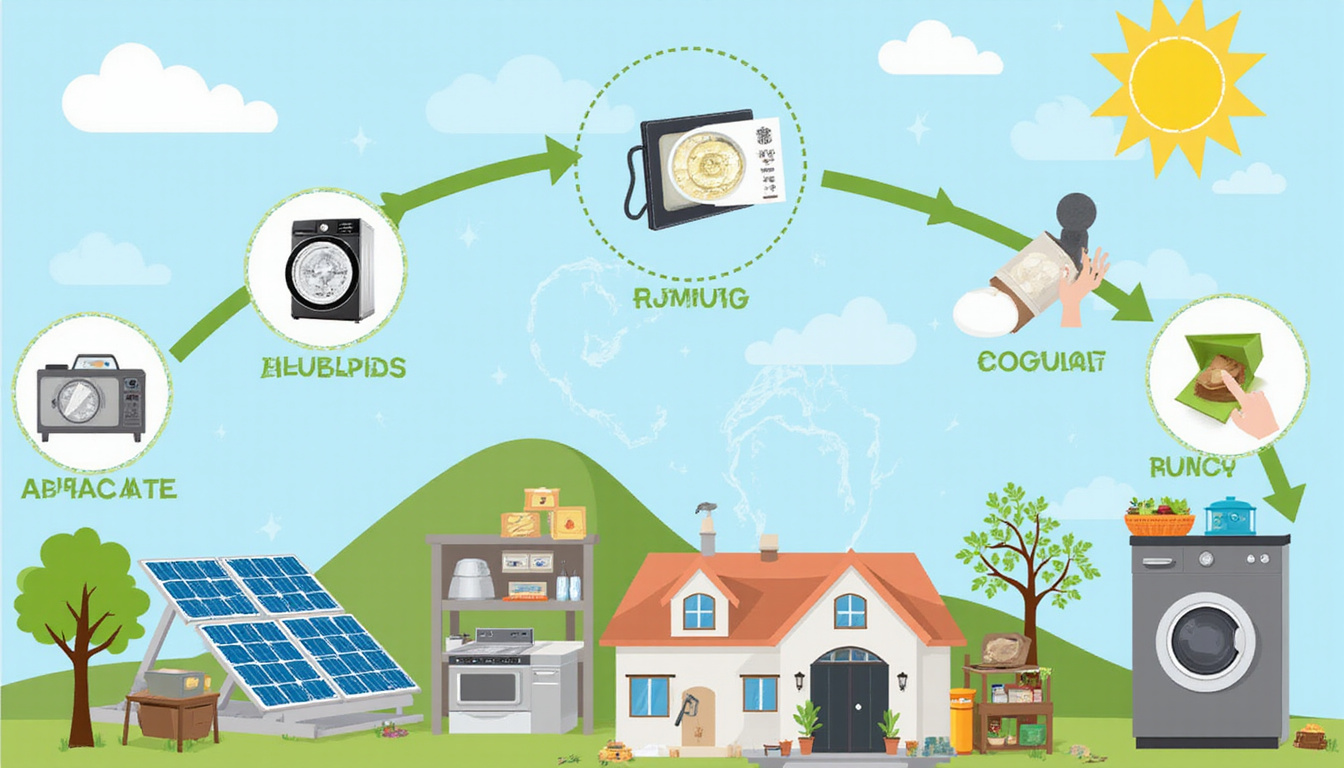
4. Manufacturer and utility programs
Some manufacturers and energy utilities operate dedicated schemes:
- Manufacturer take-back: You return old units to the brand for safe processing.
- Utility incentives: Electric utilities sometimes offer a pickup service and a rebate for old, inefficient fridges, encouraging energy savings on the grid.
Visit your utility provider’s website or major appliance brands’ sustainability pages to check for active programs in your region.
Smart strategies to maximise value from old appliances
To truly save money and resources, think beyond simply “getting rid of” an old appliance.
1. Consider repair vs. replacement
A key financial decision is whether to repair or replace. Rough guidelines:
- If a repair costs more than 50% of the price of a new, efficient unit, replacement + recycling might be better.
- For older than 10–15 years appliances (especially fridges, freezers, and dryers), the energy savings from a modern model may justify replacement, even if repair is possible.
- Check for warranties, extended warranties, or service plans before deciding.
Balancing repair and replacement helps avoid premature disposal and unnecessary manufacturing of new appliances.
2. Reuse and donation for working appliances
If the appliance still functions:
- Donate to charities, shelters, community centres, or reuse organisations (subject to safety and age rules).
- Sell locally via online marketplaces, classified ads, or community groups.
- Pass on to friends, family, or neighbours who need a low-cost option.
Reusing appliances extends their life, reduces demand for new manufacturing, and helps others access affordable equipment.
3. Harvest parts for DIY projects
For the technically inclined, end-of-life appliances can be a goldmine of components:
- Electric motors
- Switches and wiring
- Metal panels and fasteners
- Shelving and internal fittings
Only do this if you know how to work safely with electrical equipment and refrigerants. After salvaging parts, ensure the remaining structure still goes to an appropriate recycling facility.
4. Time your replacement to incentives
If possible, plan large appliance upgrades around:
- Seasonal sales (Black Friday, end-of-year, or local equivalents)
- Utility rebate periods
- Manufacturer promotions
Combining a recycling program with a discounted energy-efficient replacement optimises both your finances and environmental impact.
Environmental impact: Why proper recycling really matters
White goods recycling dramatically reduces the environmental footprint of our homes:
- Greenhouse gas reductions: Capturing and properly treating refrigerants stops them from entering the atmosphere, where they can be thousands of times more potent than CO₂.
- Energy savings: Producing metals and plastics from recycled material uses significantly less energy than starting from raw ore or petroleum.
- Waste reduction: Large appliances are bulky; recycling frees up landfill space and prevents long-lived materials from sitting in dumps for decades.
- Pollution prevention: Safe handling of oils, coolants, and electronics prevents soil, air, and water contamination.
By choosing certified white goods recycling, you contribute directly to a more circular economy, where materials stay in use for as long as possible.
Common mistakes to avoid in white goods recycling
Avoid these pitfalls to ensure safety and compliance:
- Illegal dumping: Leaving appliances by roadsides, in vacant lots, or outside closed facilities is often illegal and can lead to fines.
- Releasing refrigerants: Never try to puncture or remove compressors or coolant lines yourself. This is hazardous and often unlawful.
- Ignoring data on “smart” appliances: For Wi-Fi enabled devices, reset to factory settings and remove any linked accounts to protect your privacy.
- Using unlicensed collectors: Cheap “cash for scrap” services may not handle hazardous materials properly. Always verify credentials or use official channels.
Checklist: Best practices for white goods recycling
Use this quick checklist whenever you’re dealing with an old appliance:
- Decide if it should be reused, repaired, or recycled.
- Empty, clean, and dry the appliance.
- Disconnect power, water, and gas safely.
- Secure doors and loose parts for transport.
- Check local regulations and official programs.
- Choose between retailer take-back, municipal services, or certified recyclers.
- Keep records of receipts or recycling certificates, especially if required for rebates.
FAQ: White goods recycling and related questions
1. How does white goods disposal differ from regular trash pickup?
White goods disposal usually requires special handling and cannot be placed with normal household trash. Large appliances often contain metals, refrigerants, and electronics that must be processed at licensed facilities. Many municipalities offer separate bulky-item pickups or direct you to appliance recycling centres rather than standard waste services.
2. Can I earn money from appliance recycling?
Yes, in some cases. Scrap metal yards may pay for old appliances by weight, and certain utility or retailer programs offer white goods recycling incentives in the form of rebates or bill credits when you recycle older, inefficient models. While the amounts are typically modest, they can offset delivery or haul-away costs.
3. What is the most eco-friendly way to get rid of an old washing machine?
The most eco-friendly method is to reuse first, recycle second. If the machine still works safely, consider donating or selling it. If it’s beyond repair or extremely inefficient, arrange white goods recycling through a certified recycler, retailer take-back program, or municipal collection. This ensures metals, plastics, and electronic components are recovered and hazardous materials are treated properly.
Turn your old appliances into savings and sustainability
Every large appliance you retire is an opportunity—not just a disposal problem. With thoughtful white goods recycling, you can:
- Cut energy bills by upgrading to efficient models
- Avoid fees and sometimes earn rebates or scrap payments
- Protect the environment by keeping metals and refrigerants out of landfills
- Support a more circular, resource-efficient economy
Before you wheel that old fridge or washer to the curb, take a moment to plan the smartest route. Check your local programs, ask retailers about haul-away and incentives, and choose a certified recycler. Taking these small, informed steps ensures your white goods recycling saves you money today and preserves vital resources for tomorrow.
Junk Guys Inland Empire
Phone: 909-253-0968
Website: www.mediumspringgreen-snake-472026.hostingersite.com
Email: junkguysie@gmail.com
