
Safe removal of hazardous materials is about much more than convenience—it’s about protecting your health, your home, and the environment. Whether you’re dealing with old paint, asbestos tiles, mold, or electronic waste, understanding how to manage safe removal can prevent serious accidents, fines, and long-term exposure risks.
This guide walks you through key principles, common materials, and step‑by‑step practices so you can handle (or correctly outsource) hazardous materials without putting yourself or others at risk.
Why Safe Removal Matters
Hazardous materials include substances that are toxic, flammable, corrosive, reactive, or otherwise dangerous. Improper handling or disposal can lead to:
- Respiratory issues or chemical burns
- Groundwater and soil contamination
- Fire or explosion hazards
- Regulatory fines for improper disposal
Safe removal isn’t just best practice—it’s often required by law. Agencies like the U.S. Environmental Protection Agency (EPA) provide detailed rules on handling hazardous waste to protect public health and the environment (source: EPA Hazardous Waste).
Step One: Identify What You’re Dealing With
You can’t perform safe removal if you don’t know what the hazard is. Start by identifying the type of material and its risks.
Common Household Hazardous Materials
- Asbestos (older insulation, floor tiles, pipe wrap, siding)
- Lead-based paint (homes built before 1978)
- Mold and mildew (wet drywall, basements, bathrooms)
- Chemical cleaners and solvents (bleach, ammonia, paint thinners)
- Pesticides and herbicides
- Old paint and varnish
- Automotive products (motor oil, antifreeze, brake fluid)
- Batteries and electronics (lithium batteries, CRT monitors)
Check product labels for signal words like “Danger,” “Warning,” or “Caution,” and hazard icons (flame, skull and crossbones, corrosion, etc.). When in doubt, treat unknown substances cautiously and contact your local waste authority or a professional.
General Principles for Safe Removal
Before you touch anything, follow these core safety principles:
1. Minimize Exposure
- Avoid direct skin contact. Use gloves appropriate to the material (e.g., nitrile for chemicals, cut-resistant for sharp debris).
- Protect your eyes and lungs. Safety goggles and, when appropriate, a properly rated respirator (not just a dust mask).
- Limit time near the hazard. Plan your work to be efficient and avoid unnecessary exposure.
2. Control the Environment
- Ventilate when safe. Open windows or use exhaust fans for fumes or dust, unless guidance for a specific material says otherwise (e.g., asbestos work requires controlled containment, not open-air blowing).
- Prevent spread. Close doors, seal vents, and cover nearby surfaces with plastic sheeting where dust or particles could travel.
- Keep children and pets away. Restrict access to the work area until cleanup is complete.
3. Use the Right Tools and Containers
- Non‑sparking tools for flammable materials (e.g., certain solvents or fuels).
- Heavy-duty, labeled containers that won’t corrode or leak.
- Dedicated buckets, mops, or rags you can discard or thoroughly decontaminate.
4. Never Mix Chemicals
Mixing certain products (like bleach and ammonia) can produce deadly gases. If you’re unsure how something will react, assume mixing is unsafe and keep products separate.
Personal Protective Equipment (PPE) for Safe Removal
PPE is your front line of defense. The combination you need depends on the material, but for many home situations, a basic setup includes:
- Gloves: Nitrile or chemical-resistant for liquids; thicker gloves for rough or sharp materials.
- Eye protection: Safety goggles with side shields to prevent splashes and dust exposure.
- Respiratory protection:
- N95 mask for basic dust (e.g., non-toxic drywall dust).
- Half-face respirator with appropriate cartridges for chemicals, mold, or fine hazardous dust—only if you’re trained and using it correctly.
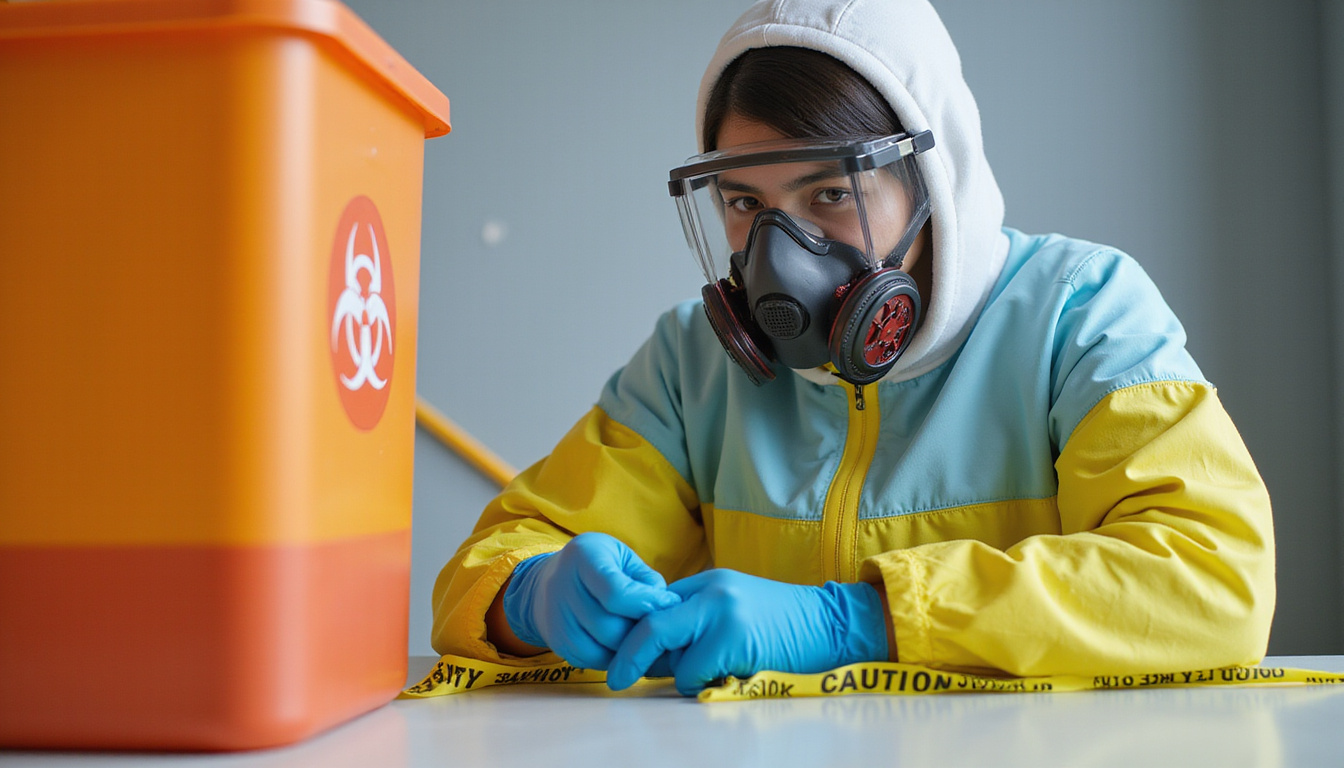
- Protective clothing: Long sleeves, long pants; disposable coveralls for mold, asbestos, or heavy contamination.
- Foot protection: Closed-toe shoes or boots; disposable shoe covers to avoid tracking materials through the house.
Always remove and dispose of contaminated PPE carefully, washing your hands and face afterward.
Material-Specific Safe Removal Tips
Different hazards require different strategies. Here are guidelines for some common ones, along with when to call professionals.
Asbestos: Usually a Job for Professionals
Asbestos fibers are microscopic and extremely dangerous when inhaled. They can cause lung cancer and mesothelioma decades after exposure.
- Common locations: Old floor tiles, pipe insulation, ceiling tiles, siding, “popcorn” ceilings.
- DIY or not? In many regions, DIY asbestos removal is discouraged or regulated. Disturbing asbestos without proper containment increases risk.
- Safe approach:
- If you suspect asbestos, stop work immediately.
- Have a sample tested by a certified lab.
- Use licensed asbestos abatement professionals if removal is needed.
Lead-Based Paint: Careful Containment Is Key
Lead dust is toxic, especially to children and pregnant people.
- Where found: Homes built before 1978 (U.S.), particularly on windows, doors, trim, and exterior surfaces.
- Unsafe methods: Sanding, grinding, open-flame burning, or dry scraping can create large amounts of airborne lead dust.
- Safer practices for minor work:
- Wet scraping small areas with a putty knife to reduce dust.
- Use plastic sheeting under the work area to catch chips.
- Clean up with a HEPA vacuum and wet wiping, not dry sweeping.
- For larger projects: Hire contractors certified in lead-safe work practices.
Mold: Remove the Source of Moisture
Mold spores can trigger allergies, asthma, and other respiratory issues.
- First step: Fix leaks or humidity problems before removal. Without moisture control, mold will return.
- Small areas (generally under ~10 sq. ft.):
- Wear gloves, goggles, and at least an N95 mask.
- Remove and discard porous materials like moldy drywall or insulation.
- Clean hard surfaces with detergent and water; avoid using bleach on porous surfaces as it may not penetrate effectively.
- Large infestations or hidden mold:
- Consider professional remediation.
- Avoid tearing out materials without containment, as this can spread spores throughout the house.
Chemicals, Cleaners, and Solvents
Household chemicals can be corrosive, flammable, or toxic.
- Safe removal practices:
- Keep products in their original containers with labels intact.
- Never pour leftover chemicals down the drain unless local guidance explicitly allows it.
- Transport chemicals upright, in boxes or trays, to your local hazardous waste collection site.
- Spill response:
- Use absorbent materials (cat litter, sand, commercial absorbents) for liquid spills.
- Contain the spill; avoid spreading it with water unless advised for that product.
- Ventilate the area if fumes are present, and dispose of contaminated absorbent as hazardous waste.
Electronic Waste and Batteries
E-waste contains heavy metals and other hazardous components.
- Examples: Phones, laptops, CRT monitors, TVs, printers, lithium or lead-acid batteries.
- Safe removal:
- Do not throw e-waste or large batteries in regular trash.
- Use manufacturer take-back programs, retailer recycling bins, or municipal e-waste events.
- Store damaged or swollen lithium batteries in nonflammable, ventilated containers until you can drop them off.
How to Plan a Safe Removal Project
Before you start any hazardous material project, make a simple plan:
- Identify the material and associated risks.
- Check local regulations for handling and disposal.
- Decide whether DIY is appropriate or if you need a licensed professional.
- Gather PPE and tools suited to the material.
- Prepare the space:
- Clear nonessential items.
- Cover surfaces with plastic sheeting.
- Set up ventilation and containment as required.
- Perform the removal slowly and carefully, minimizing dust and splashing.
- Seal and label waste in appropriate bags or containers.
- Clean the area thoroughly: HEPA vacuum, wet wiping, and proper disposal of rags and filters.
- Transport waste safely to an approved drop‑off site.
Disposal: The Final Step in Safe Removal
Removing hazardous material from your living space is only half the job. Safe disposal ensures it doesn’t become someone else’s problem.
- Use designated drop-off locations. Many communities offer household hazardous waste collection days or permanent facilities.
- Label materials clearly. Mark containers with their contents if original labels are missing.
- Don’t overfill bags or containers. They should be securely closed and easy to handle.
- Keep incompatible materials separate. For example, acids and bases, or oxidizers and fuels.
Your county or city website often lists specific guidelines and drop‑off sites for paints, chemicals, electronics, and more.
When to Call a Professional
Some situations are too risky or too regulated for DIY. Hire a qualified professional when:
- You suspect asbestos in insulation, flooring, or siding.
- You’re dealing with widespread mold, sewage backup, or flood damage.
- You find large quantities of unknown chemicals or industrial waste.
- Work requires permits or certifications (e.g., large-scale lead paint removal).
- You don’t have the appropriate PPE, tools, or experience.
Professional remediation companies have specialized training, equipment, and insurance to manage high‑risk hazards and ensure legal compliance.
Quick Safe Removal Checklist
Use this list as a simple reminder before handling any potentially hazardous materials:
- [ ] I understand what material I’m dealing with and its risks.
- [ ] I verified local rules for handling and disposal.
- [ ] I have appropriate PPE (gloves, eye protection, mask/respirator, clothing).
- [ ] The area is prepared (ventilated or contained, as appropriate).
- [ ] I have proper tools and labeled containers.
- [ ] I have a plan for transporting and disposing of waste.
- [ ] I know when to stop and call a professional if the situation worsens.
FAQ: Safe Removal and Hazardous Materials
Q1: What is the safest way to remove hazardous materials from my home?
The safest way to remove hazardous materials is to first identify them accurately, then follow guidance from your local environmental or health department. Use proper PPE, prevent the spread of dust or vapors, and take all waste to approved hazardous waste or e-waste facilities. For high‑risk materials like asbestos or large areas of lead paint or mold, safe removal usually means hiring licensed professionals.
Q2: Can I do safe removal of asbestos or lead paint myself?
In many areas, homeowners are restricted or strongly discouraged from DIY asbestos removal due to health and legal risks. Lead paint removal can sometimes be done safely on a small scale if you use lead-safe methods (wet scraping, containment, HEPA cleanup), but larger projects should be handled by certified contractors to ensure safe removal and regulatory compliance.
Q3: How do I know if my cleanup and safe removal efforts were effective?
For many hazards, a visual inspection and lack of odors are good first checks, but not always enough. After safe removal, the area should be visibly clean with no dust, residue, or stains. For serious issues like asbestos, mold, or significant lead dust, professional clearance testing (air sampling or surface wipe tests) may be necessary to confirm your space is safe.
Safe removal of hazardous materials doesn’t have to be overwhelming when you break it into clear steps: identify, protect, contain, remove, and dispose. If you’re unsure about what you’re dealing with or whether it’s safe to handle on your own, don’t take unnecessary chances.
If you’re planning a project that may involve asbestos, lead, mold, chemicals, or other hazardous materials, start by contacting your local environmental office or a certified remediation professional. Getting expert guidance now can save you time, money, and health risks later—and ensure every step of your safe removal process is truly, and legally, safe.
Junk Guys Inland Empire
Phone: 909-253-0968
Website: www.mediumspringgreen-snake-472026.hostingersite.com
Email: junkguysie@gmail.com
